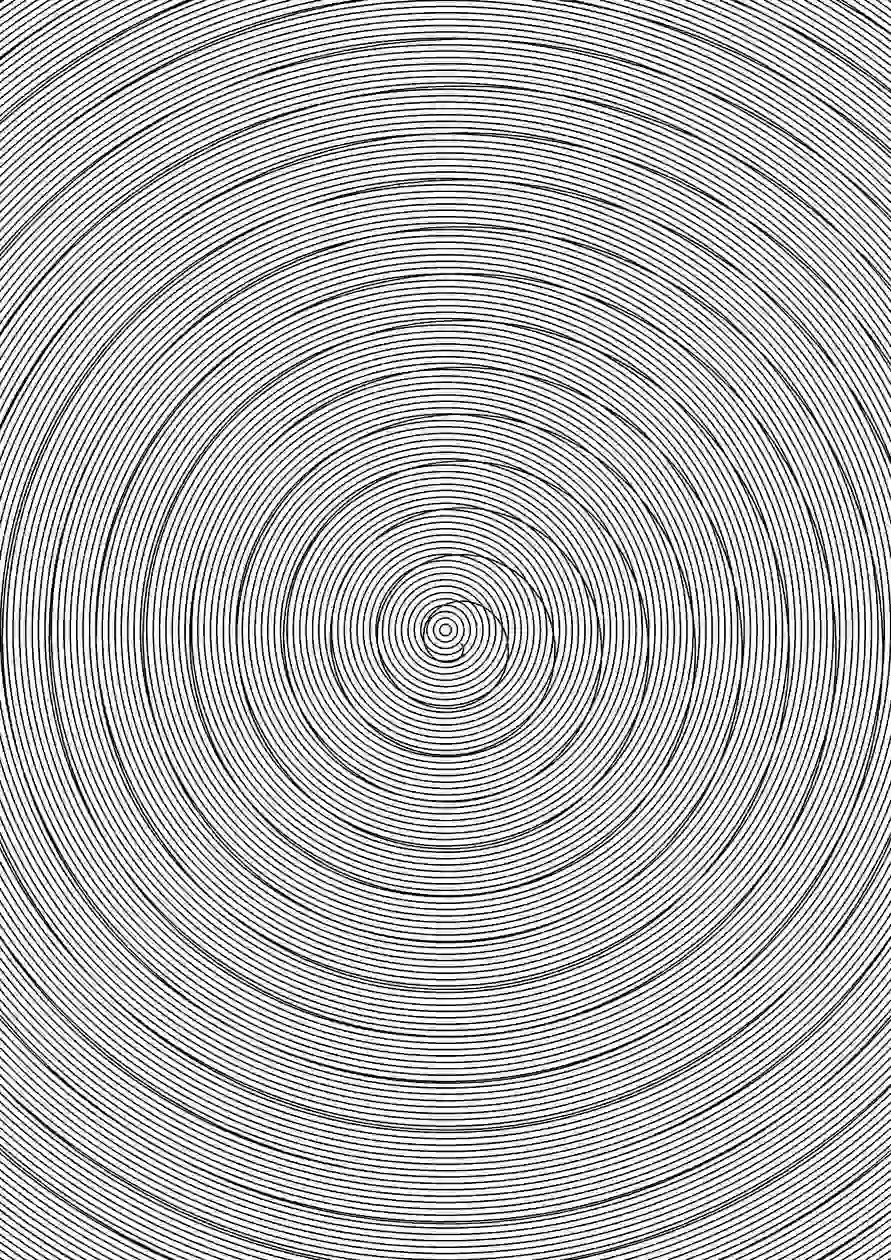
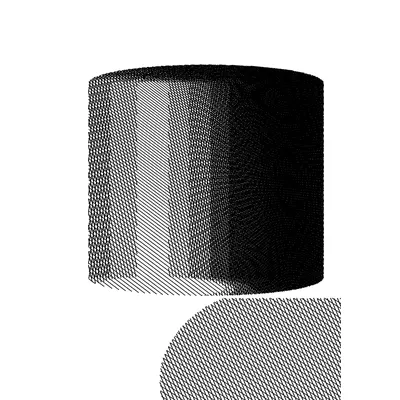
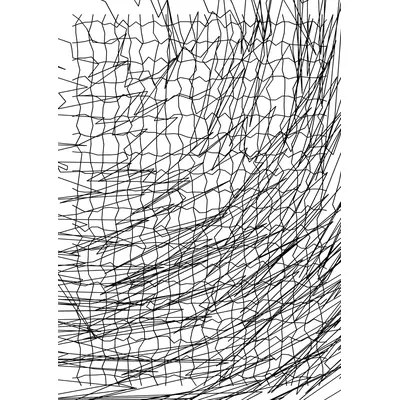
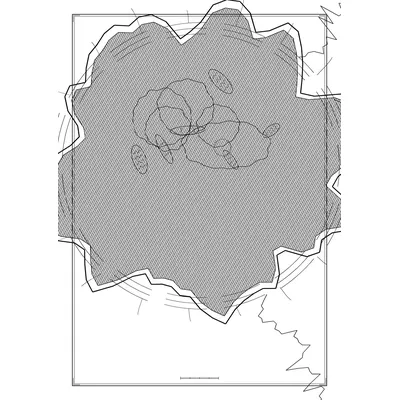
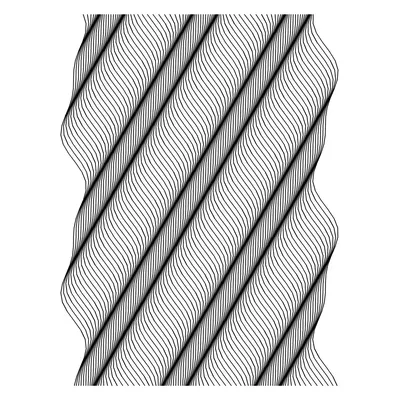
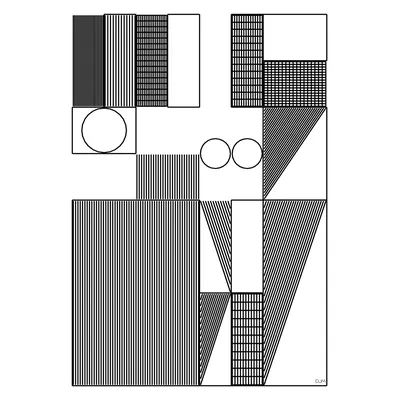
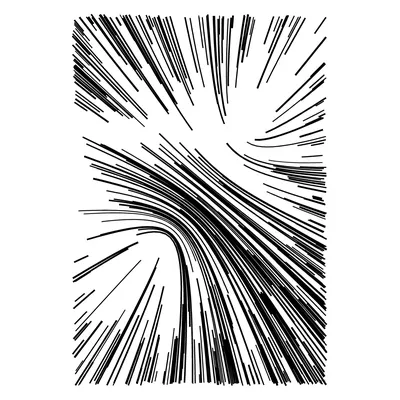
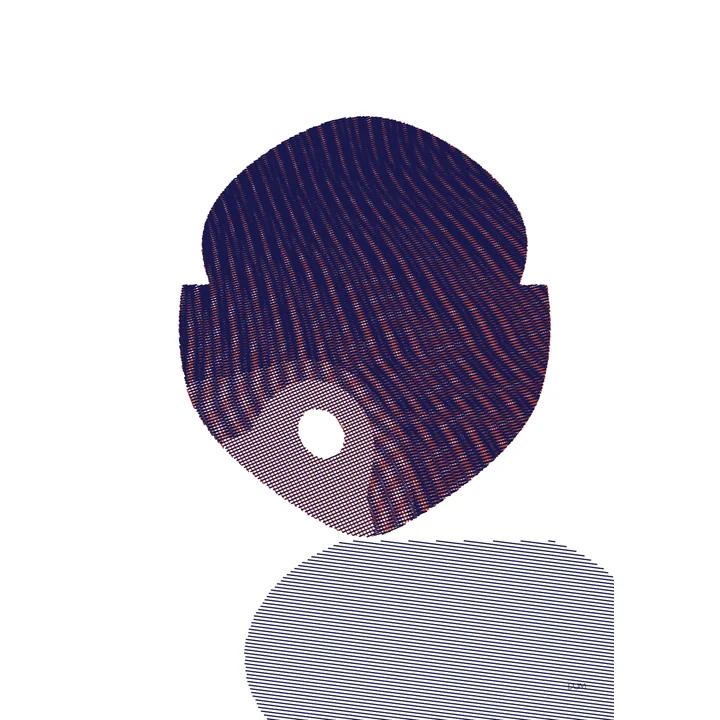
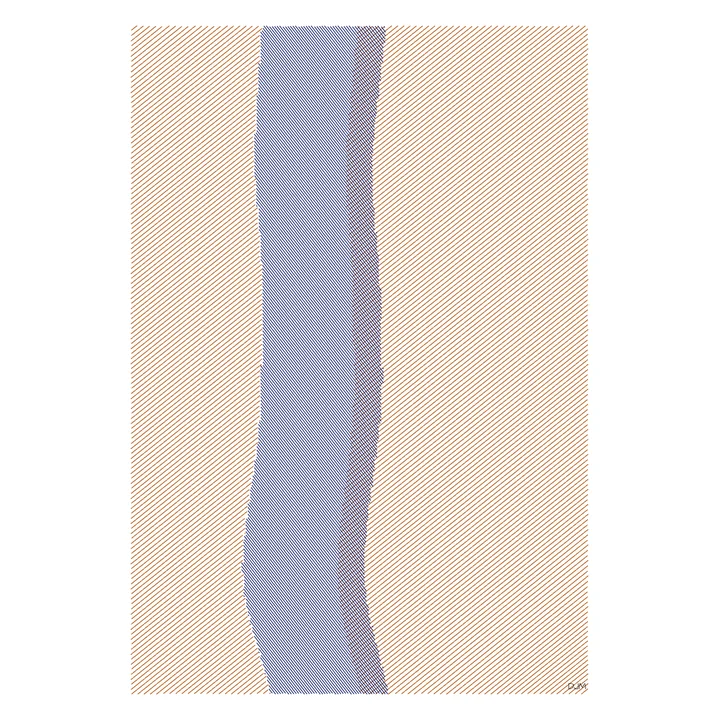
Each cycle, an autoresearch loop audits every factory, identifies the
single weakest metric across the catalog, edits the corresponding generator,
regenerates a thousand new variants, scores them on six algorithmic axes
and five vision‑model judges, and either commits the change or reverts.
The loop has been running since the third week of March 2026.
Forty factories, thirty‑seven thousand five hundred and seventy‑one
pieces — spanning color dot factories, botanical gardens after Zancan,
watercolor polygon deformation after Tyler Hobbs, Fidenza‑style hatched
softshapes, and Owen Jones Islamic geometric knotwork.
Most of them are forgettable. A few hundred are extraordinary.
And then there are the grey rectangles — pieces the
algorithms loved and the human eye refused.
Scoring moved to v3 midway through Run 17. The new
system applies Galanter's complexity theory — rewarding the complex middle
of the entropy spectrum rather than raw density. Vision‑language judges
now follow Feldman's four‑step art criticism protocol (describe,
analyze, interpret, judge), and an intra‑factory uniqueness penalty
prevents any single factory from concentrating the leaderboard.